
Oklahoma — The Infill Well Trap: How Increased-Density Orders Change Your Royalty
That OCC notice in your mailbox isn't junk mail. Here is how Oklahoma operators use increased-density orders to drill more wells on your existing lease.
Read Article →96 articles in this topic
That OCC notice in your mailbox isn't junk mail. Here is how Oklahoma operators use increased-density orders to drill more wells on your existing lease.
Read Article →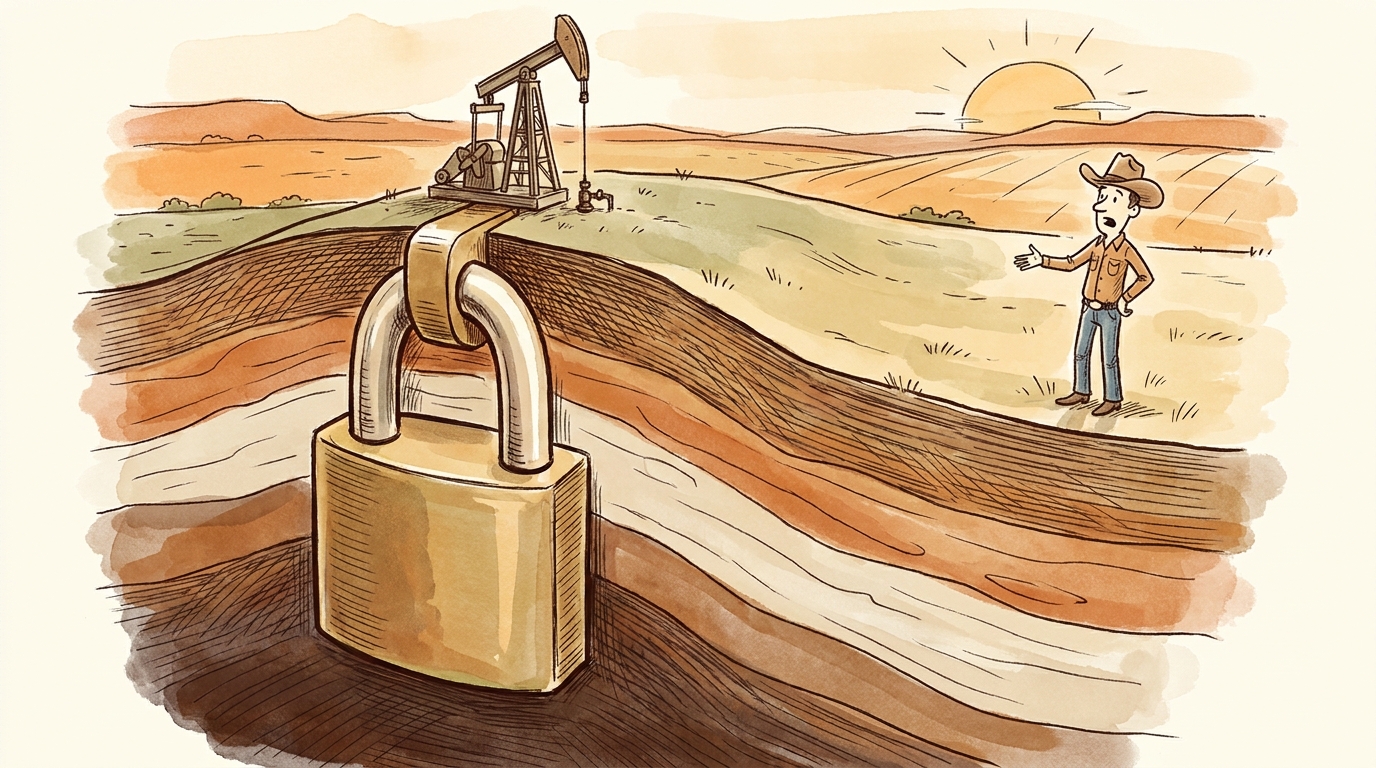
A single producing well can lock up your entire Texas mineral lease for decades. Here is how retained acreage and depth severance clauses actually work.
Read Article →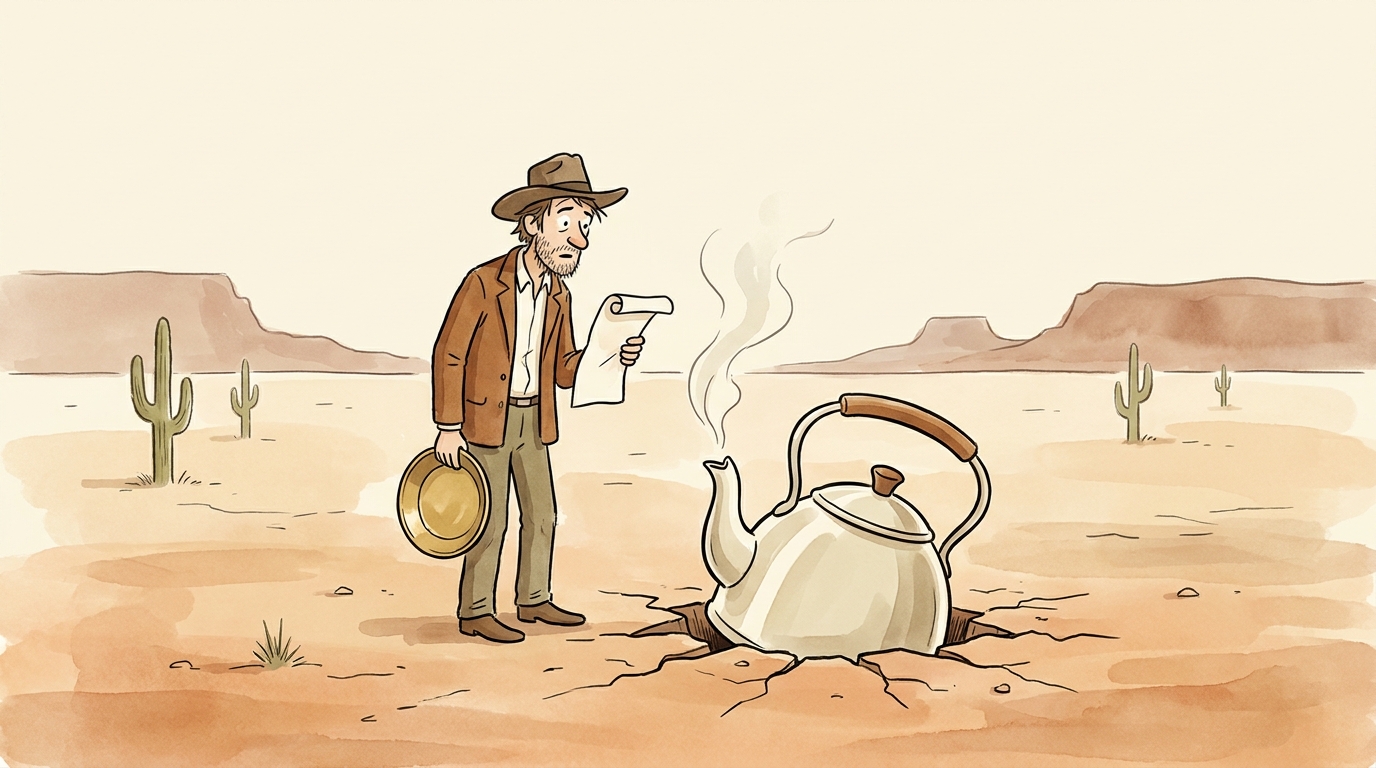
Nevada law treats geothermal heat as real property, not a standard mineral. If your family severed the minerals decades ago, you might not own what you think.
Read Article →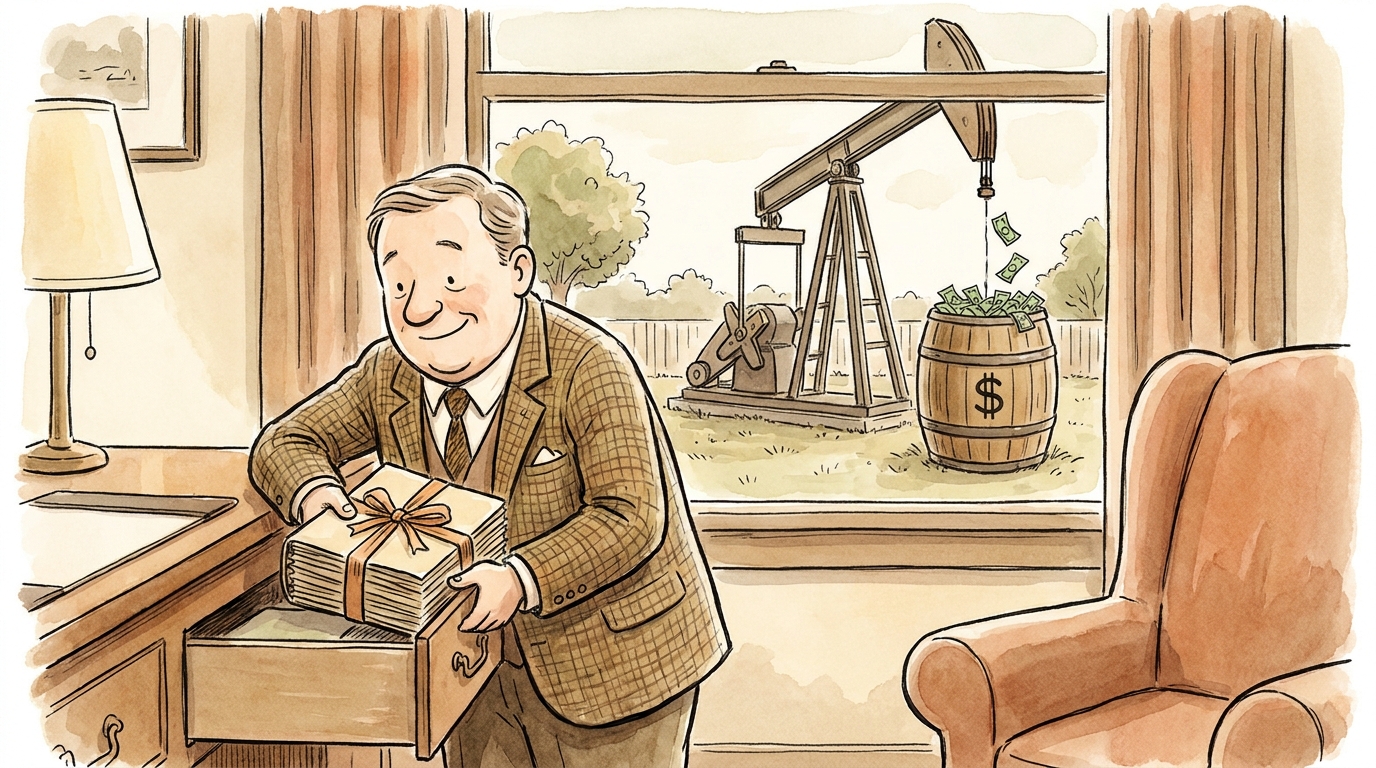
In Mississippi, ignoring a pooling notice doesn't block the well. It turns your royalties into a massive cost-recovery account for the operator.
Read Article →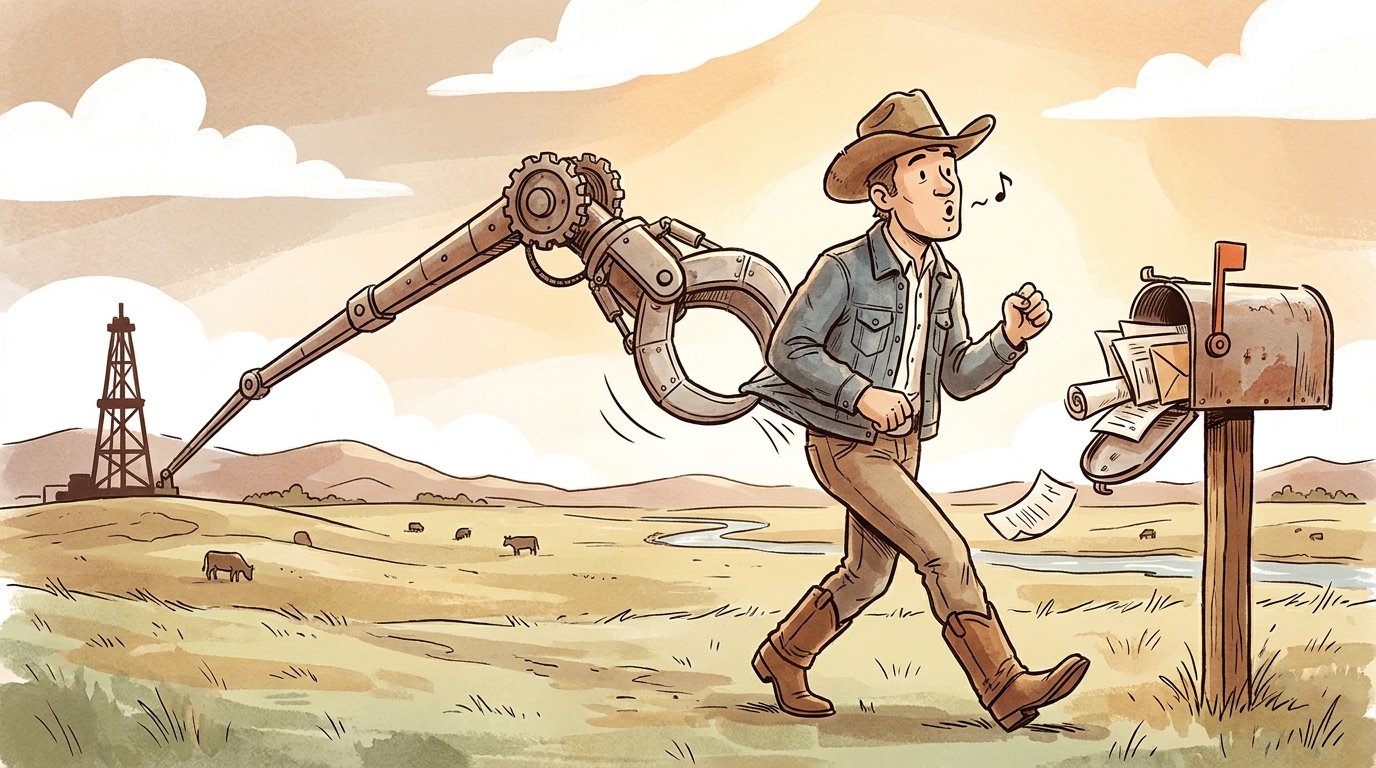
Ignoring a lease offer in eastern Montana won't stop the drill bit. Here is how Montana's forced pooling laws turn your silence into a 200% penalty.
Read Article →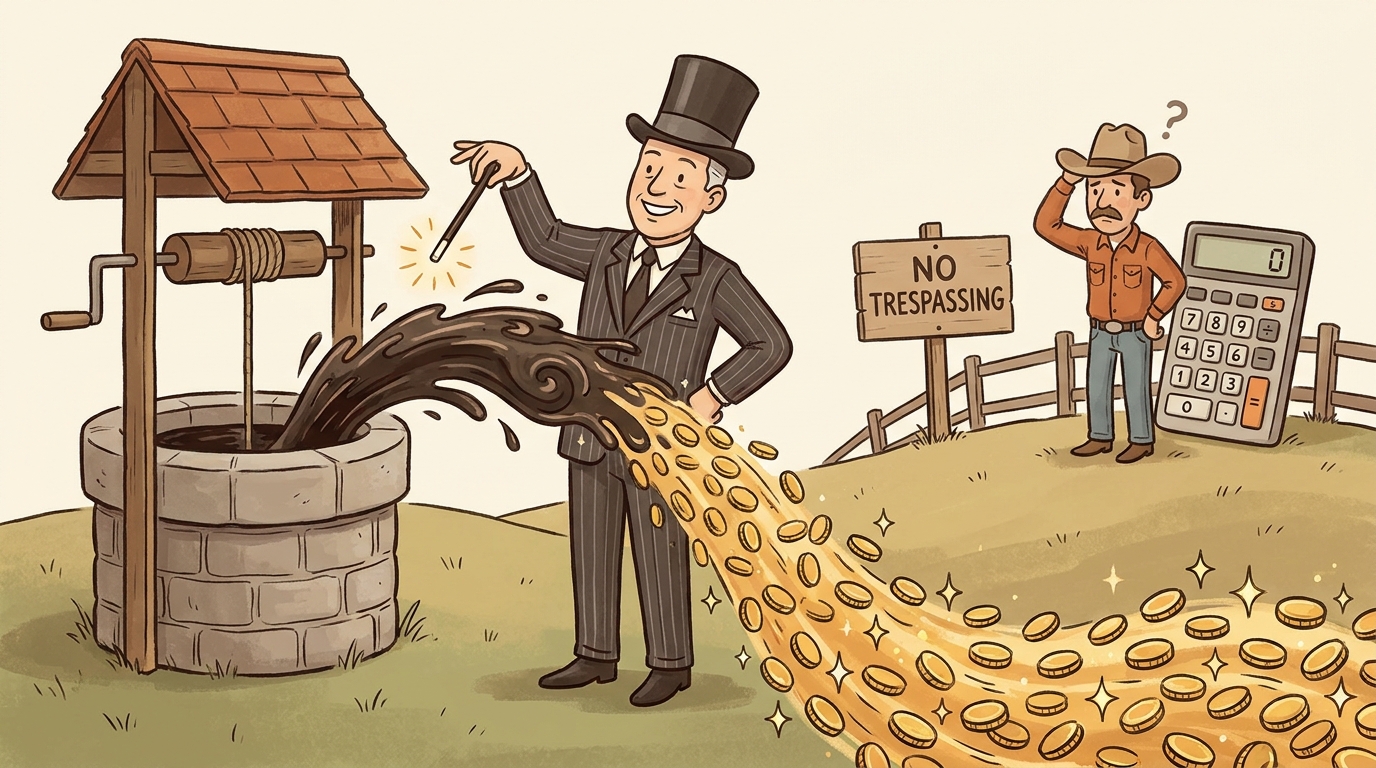
New Mexico law cut landowners out of a billion-dollar secondary market for recycled frack water. Here is how operators ended up with the rights to your water.
Read Article →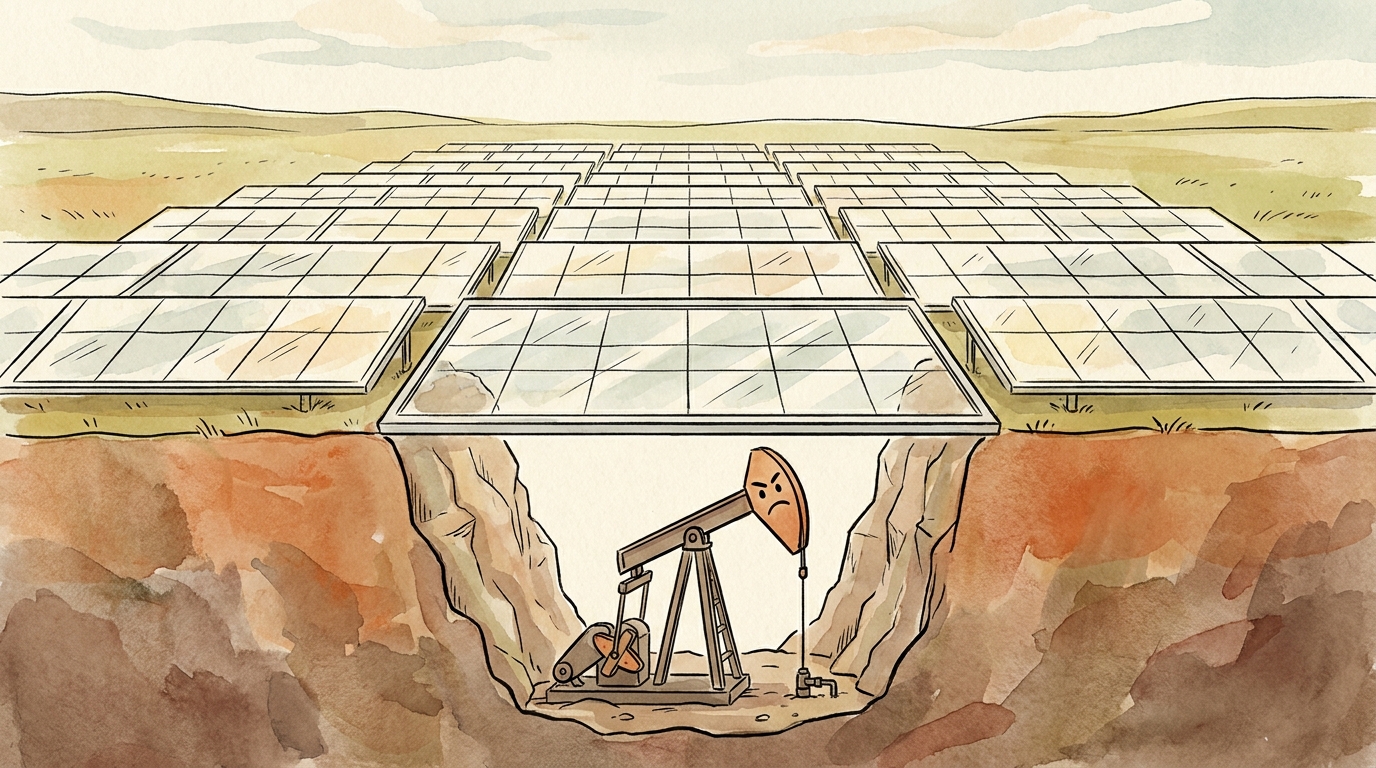
Solar developers are securing 50-year surface leases across the Mid-Continent. Here is what happens when those panels block access to your mineral rights.
Read Article →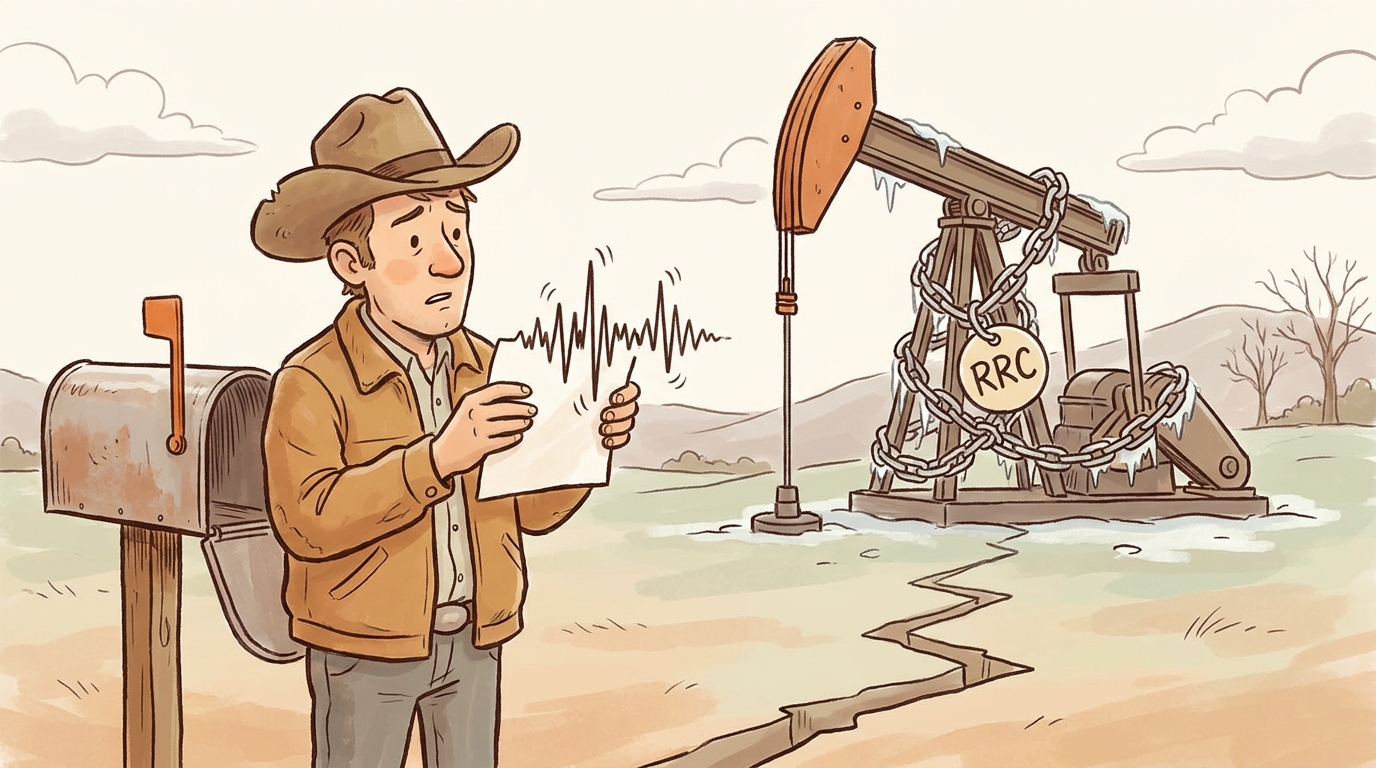
Your Permian well didn't run dry. The state just banned the operator from disposing of the wastewater. How earthquakes are halting Texas royalty checks.
Read Article →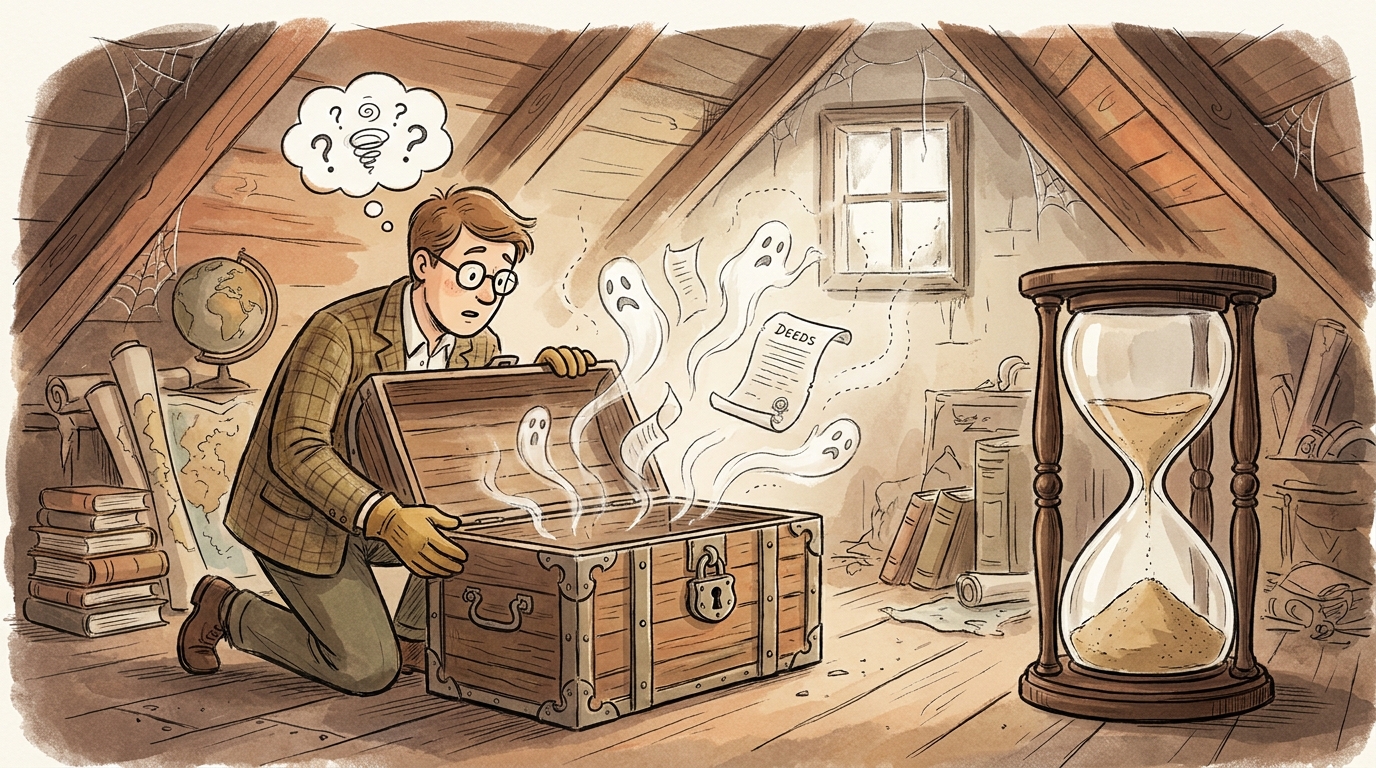
Indiana has one of the harshest dormant mineral laws in the country. If you do nothing for 20 years, your property rights vanish. Here is how it works.
Read Article →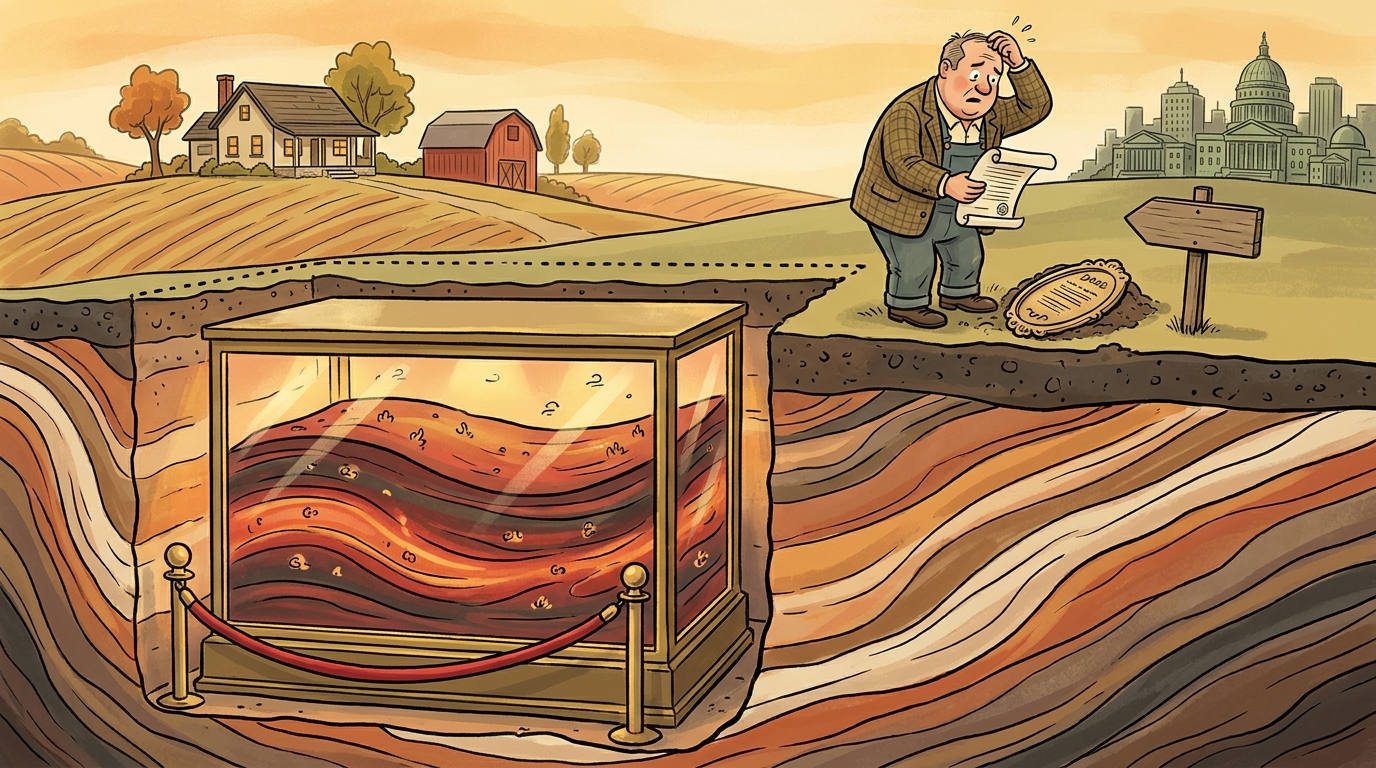
New York banned fracking, stranding billions in Marcellus shale gas. Now, Southern Tier mineral owners are fighting back with a constitutional lawsuit.
Read Article →
How the Kansas Mineral Lapse Act lets surface owners reclaim your dormant mineral rights using a 60-day clock and a small-town classified ad.
Read Article →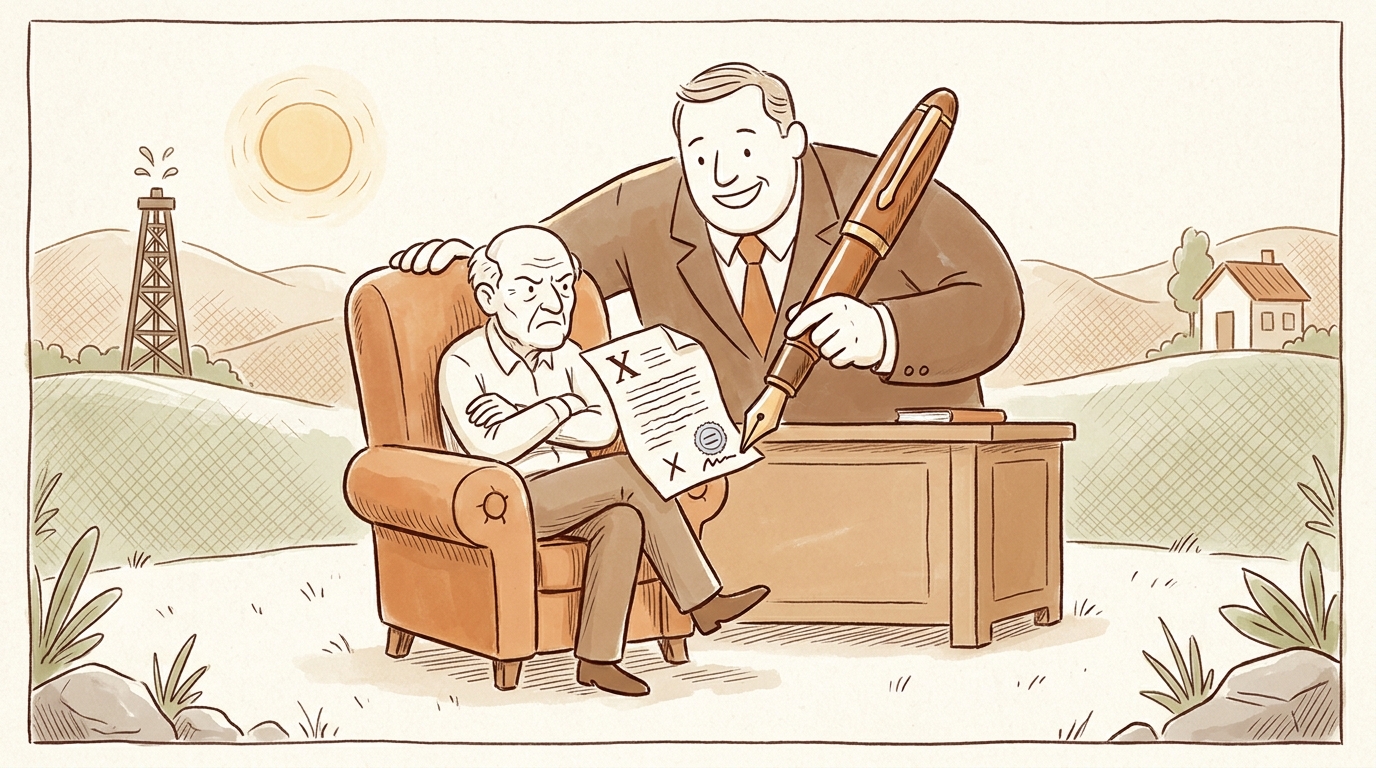
Refusing a bad oil and gas lease in Ohio doesn't protect your minerals. It just gives the state the power to force you into a drilling unit on their terms.
Read Article →