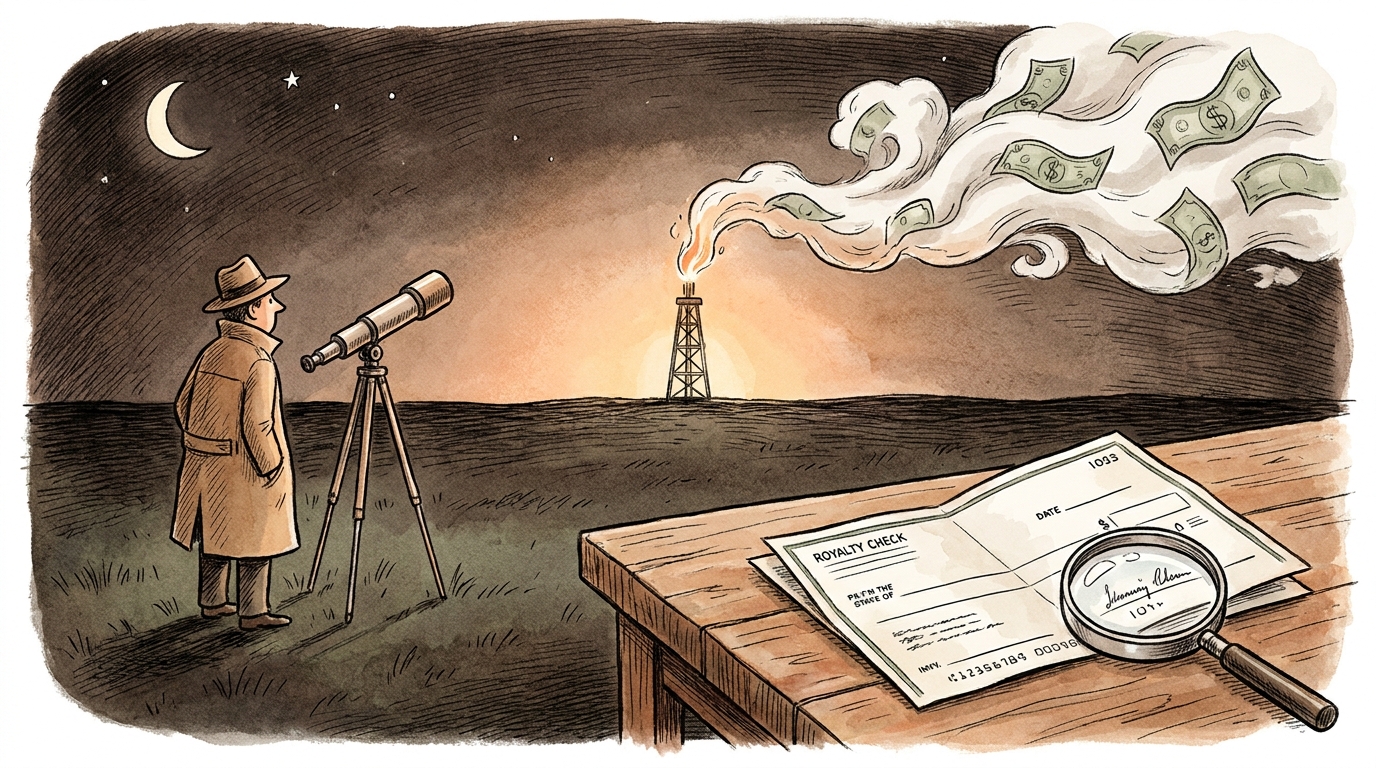
The Bakken Bonfire: Are You Getting Paid for the Gas Your Operator is Burning?
Millions of dollars in natural gas go up in smoke every year in North Dakota. Here is how to find out if your operator owes you royalties for flared gas.
Read Article →45 articles in this topic
Millions of dollars in natural gas go up in smoke every year in North Dakota. Here is how to find out if your operator owes you royalties for flared gas.
Read Article →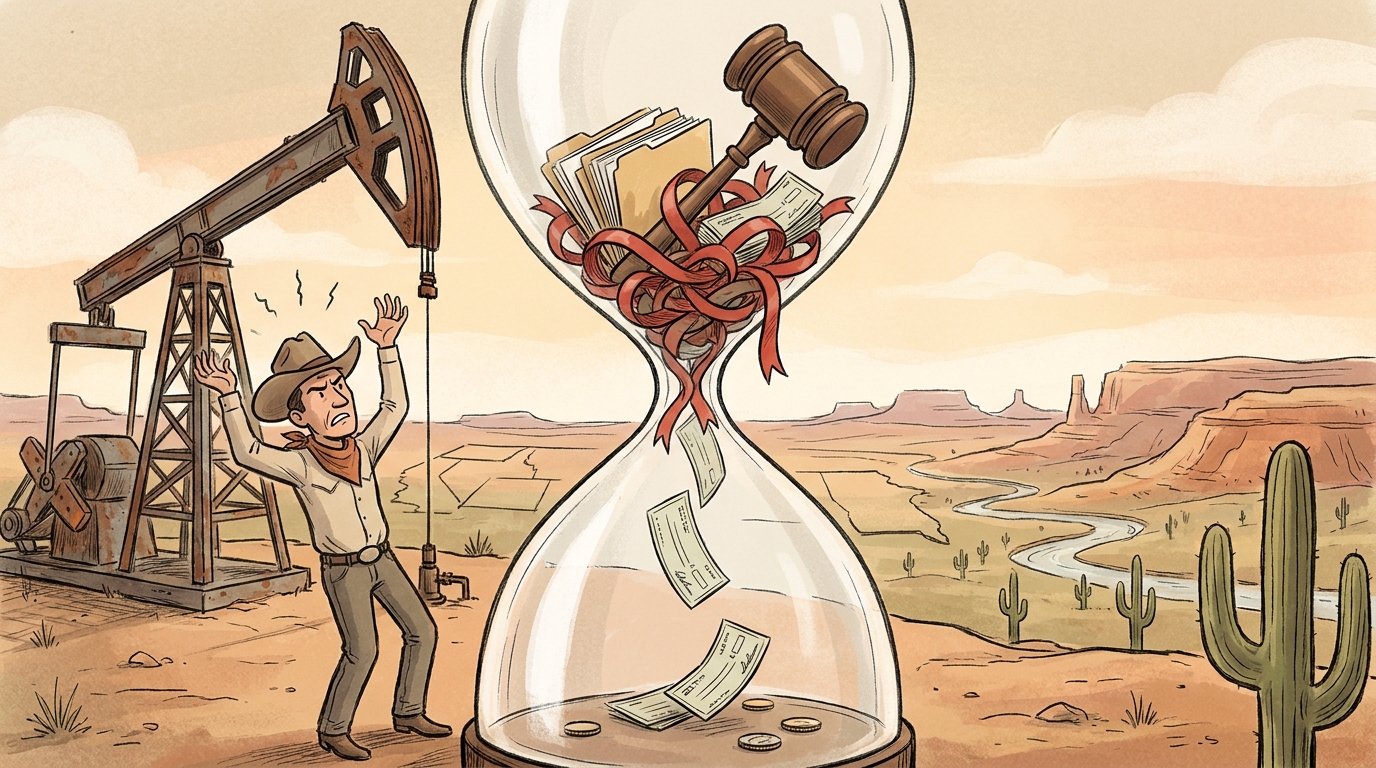
Why mineral royalties on allotted Indian lands get stuck in federal trust accounts for years, and how the BIA's dual-consent trap complicates leasing.
Read Article →
Your family's old Kansas natural gas lease might secretly be producing high-value helium. Here is why operators are pocketing the premium and what you can do.
Read Article →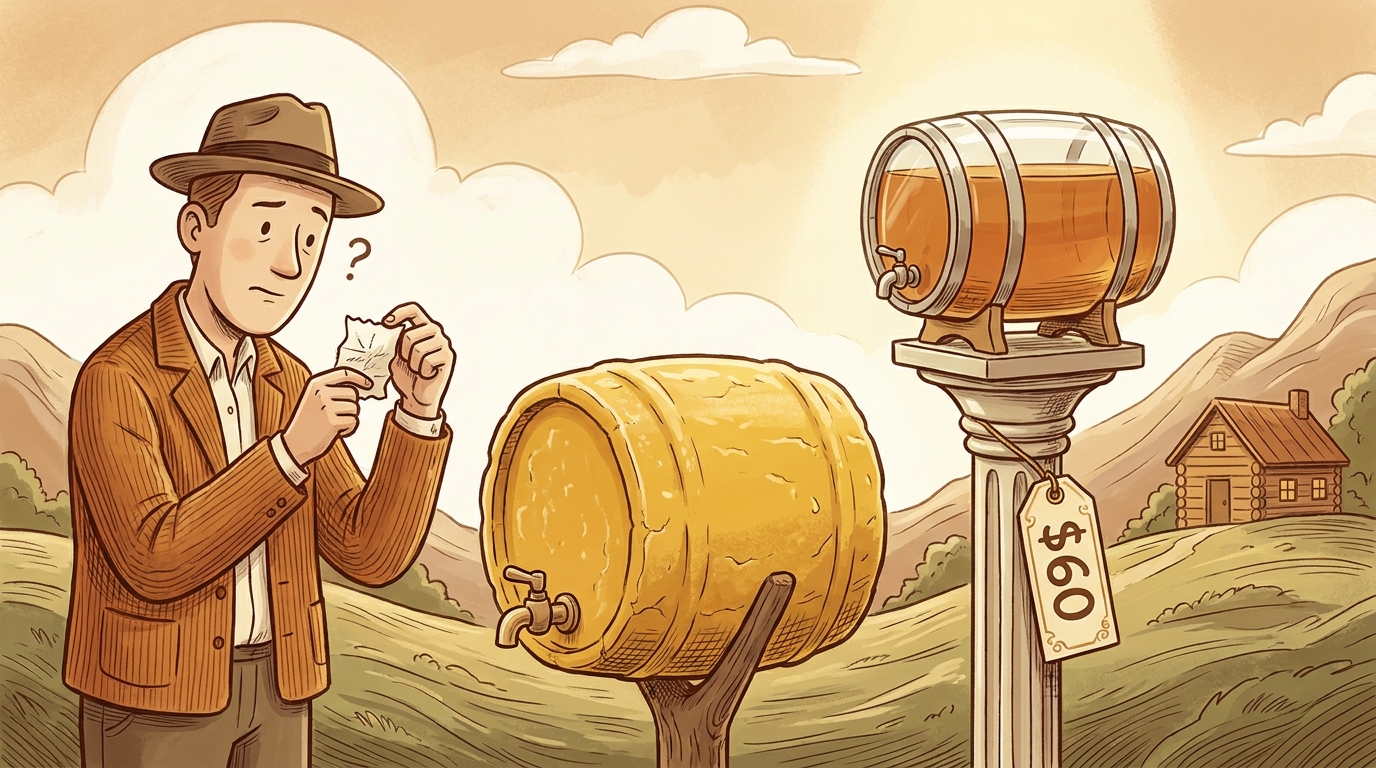
Why does Uinta Basin crude trade for less than WTI? We explain the physical reality of waxy crude, the transportation nightmare, and your royalty check.
Read Article →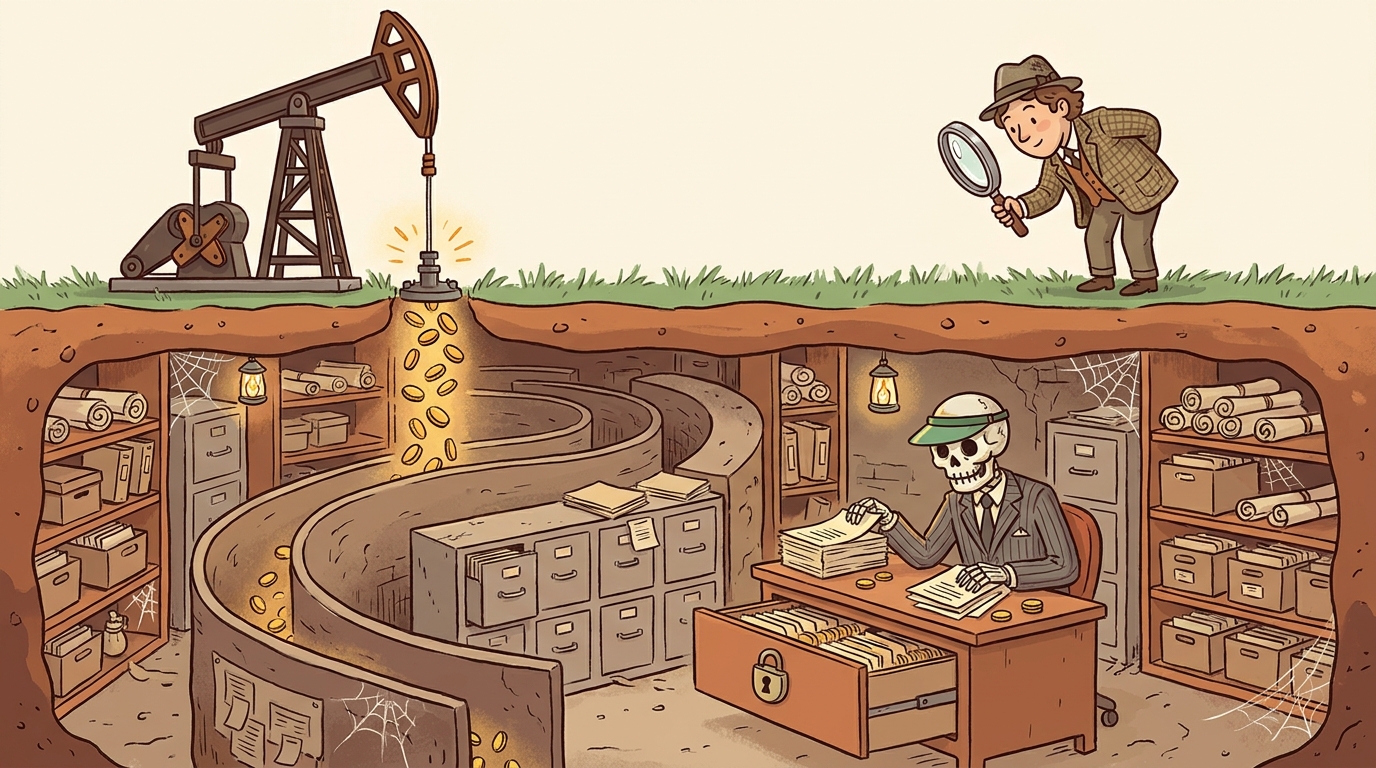
When an Oklahoma mineral owner goes missing, their forced-pooling money doesn't just sit there. It enters a bureaucratic labyrinth that funds the state.
Read Article →
That OCC notice in your mailbox isn't junk mail. Here is how Oklahoma operators use increased-density orders to drill more wells on your existing lease.
Read Article →
Nevada law treats geothermal heat as real property, not a standard mineral. If your family severed the minerals decades ago, you might not own what you think.
Read Article →
Arkansas brine fields are being repriced as lithium assets. We explain the AOGC's 2.5% royalty rate and why your actual check might be surprisingly small.
Read Article →
California lawmakers are handing cities the power to ban oil production. If you own royalties under Los Angeles, your asset has a rigid expiration date.
Read Article →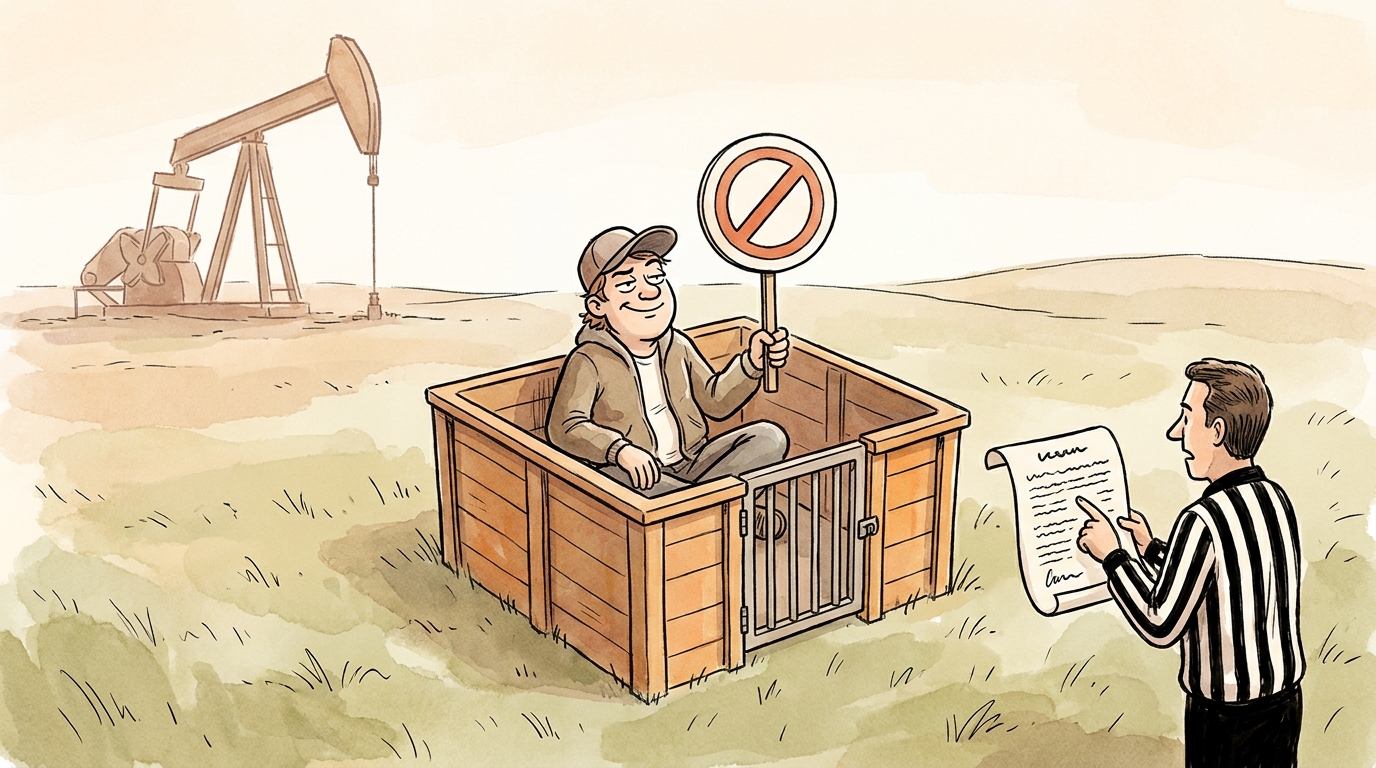
Refusing an oil and gas lease might feel like leverage. In Mississippi, it just hands the operator the right to take your oil and charge you a penalty.
Read Article →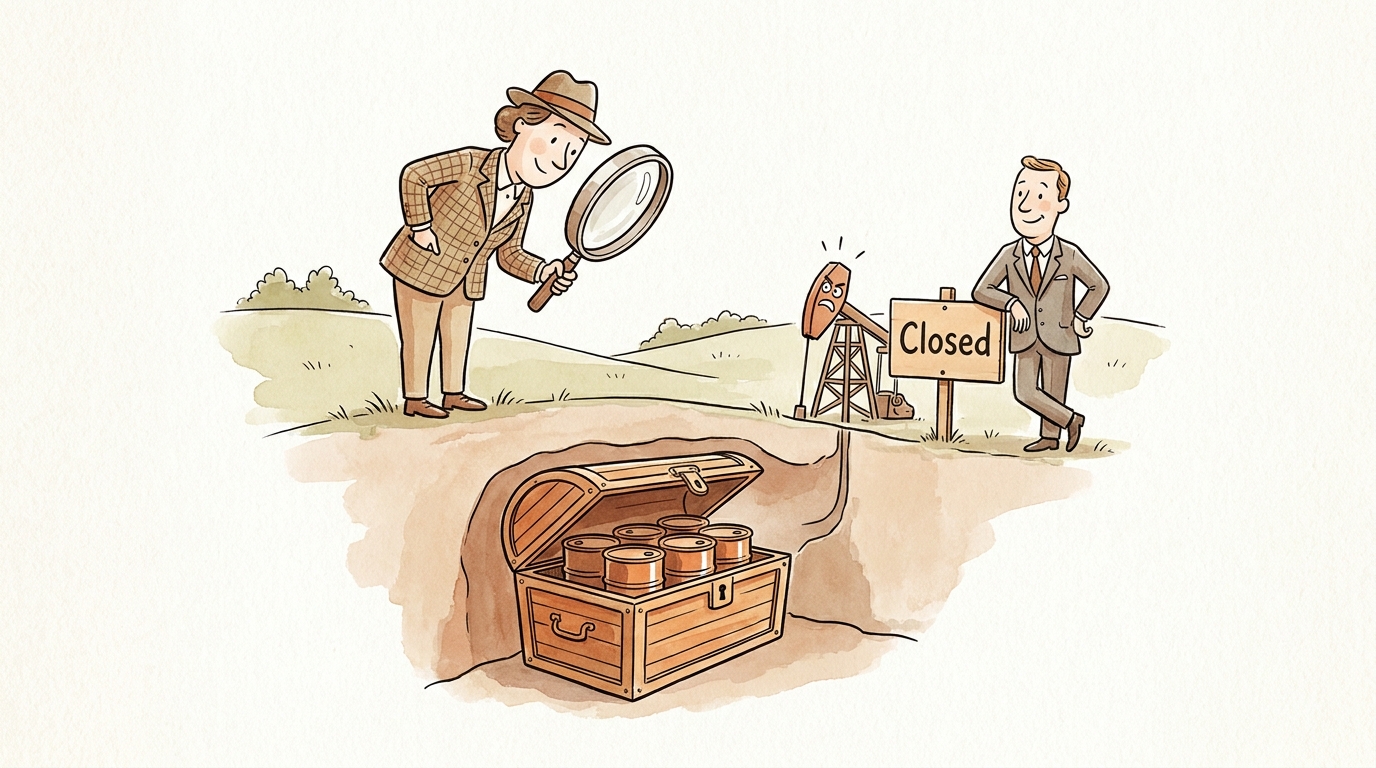
How Colorado's SB 19-181 gave towns the power to ban drilling, leaving mineral owners with stranded assets and sparking fierce legal battles.
Read Article →
Oklahoma law requires operators to pay 12% interest on late royalties. Here is why you aren't getting it, and the exact steps to claim your money.
Read Article →