
The Affiliate Trap: How Operators Sell Your Gas to Themselves at a Discount
Your lease says 'no deductions,' but your royalty check is still shrinking. Here is the accounting trick operators use to bypass your lease protections.
Read Article →45 articles in this topic
Your lease says 'no deductions,' but your royalty check is still shrinking. Here is the accounting trick operators use to bypass your lease protections.
Read Article →
How SWN, Antero, and others used the Market Enhancement Clause to bypass West Virginia law and quietly deduct 30% from your royalty checks.
Read Article →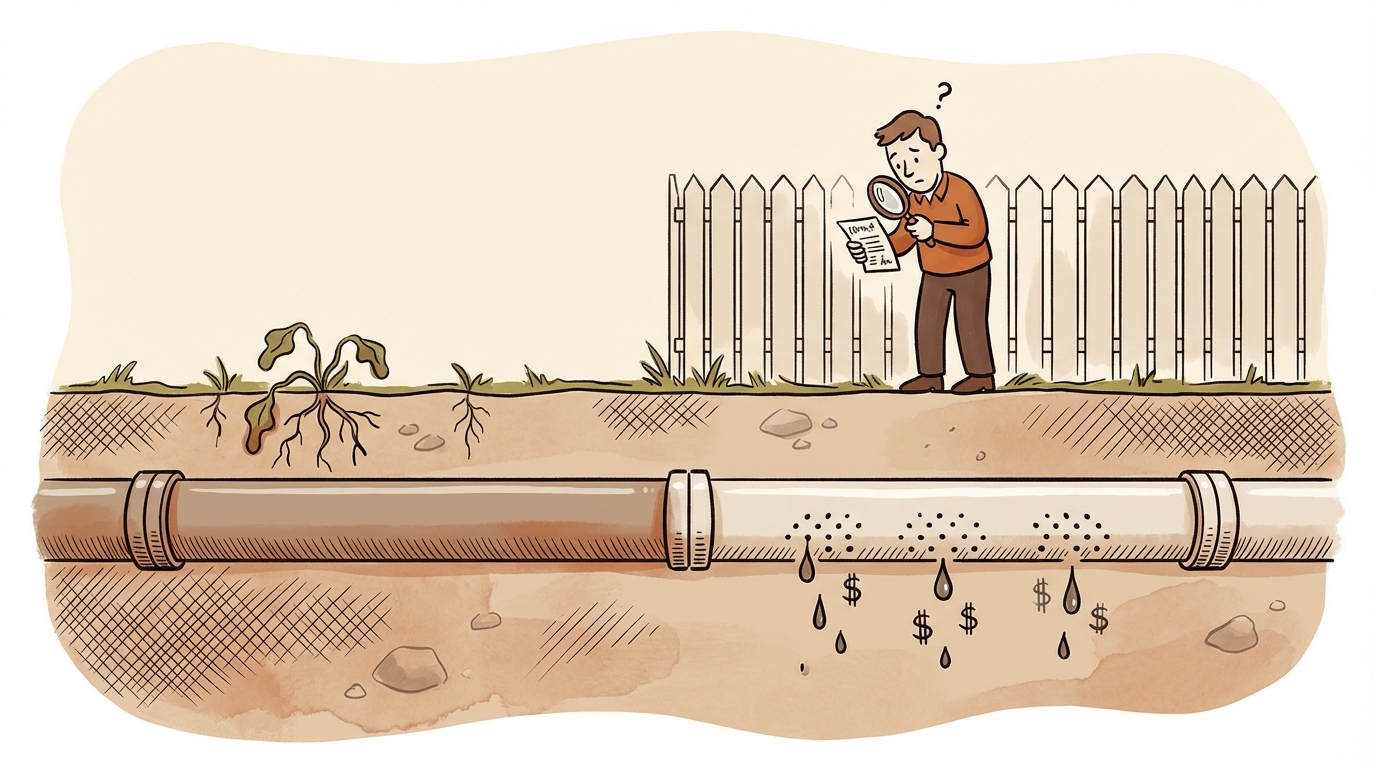
Oklahoma’s multi-unit horizontal wells have a hidden math problem. Find out how unperforated pipe dilutes your family's royalty checks.
Read Article →
You paid a lawyer to write a cost-free royalty clause. Your check still shows 20% in deductions. Here is why the phrase 'at the well' ruins Texas leases.
Read Article →
How Louisiana operators force you into a unit, sell your gas without a lease, and then fight you in court over the deductions.
Read Article →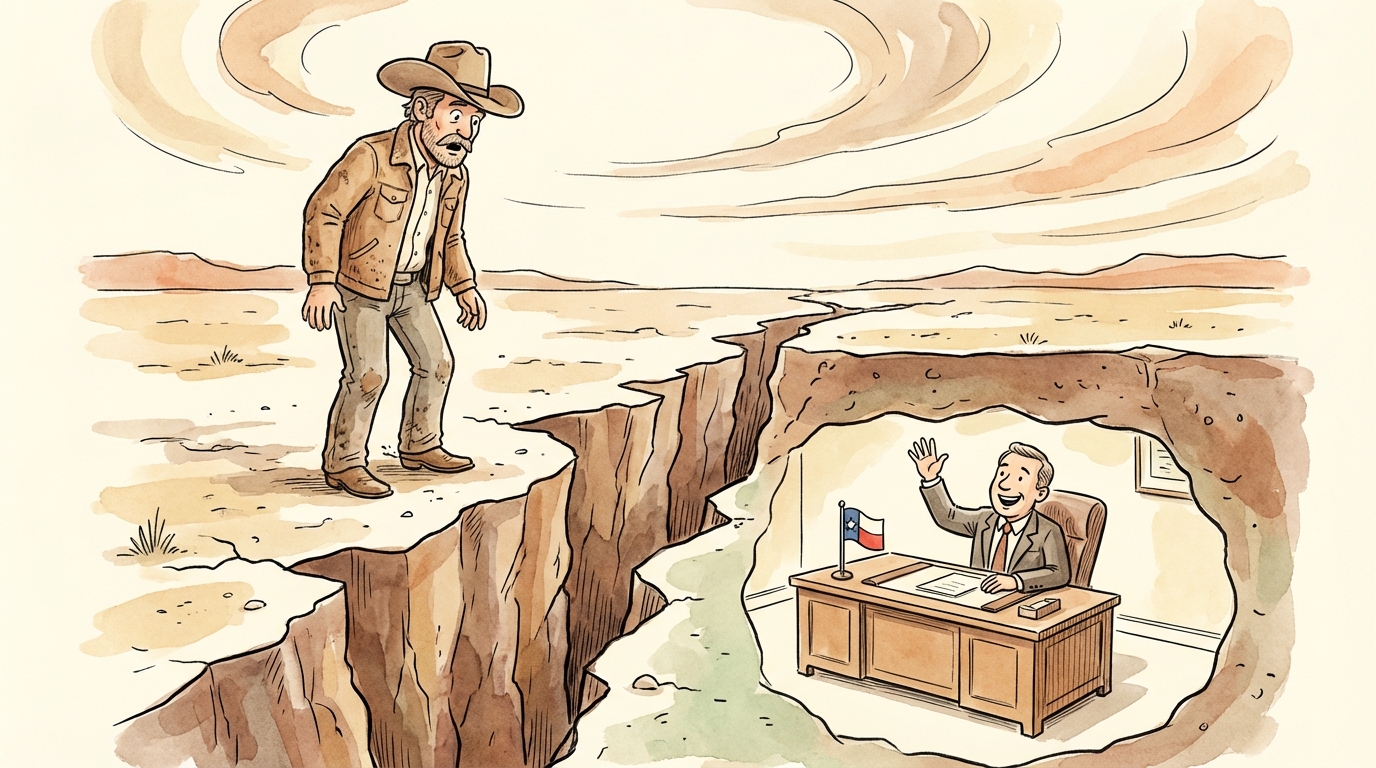
Why your 'private' West Texas minerals might actually belong to the State—and what the Relinquishment Act means for your family's land.
Read Article →
Alabama has a unique forced-pooling law. If you say no, the operator can hit you with a 150% penalty—but they still have to pay you a 3/16 royalty.
Read Article →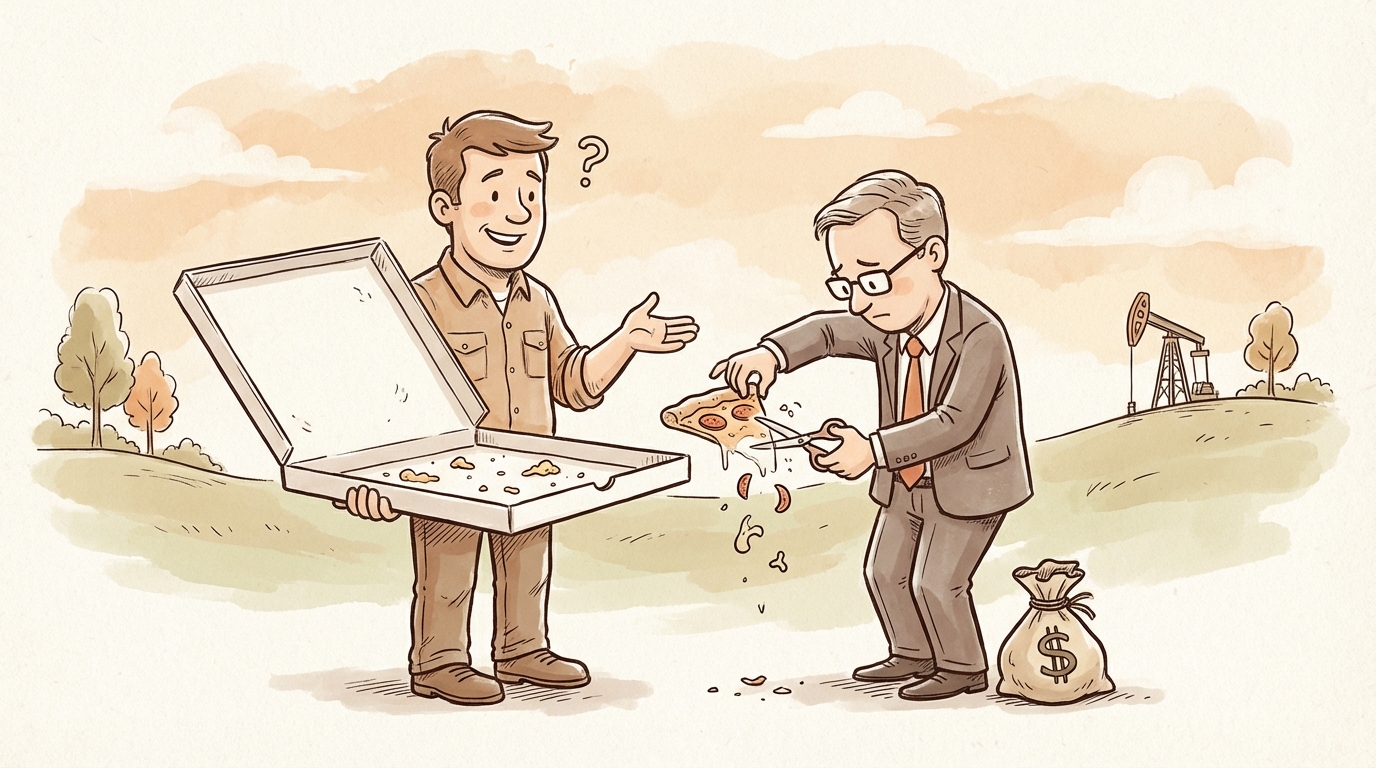
Pennsylvania law guarantees a 12.5% minimum royalty. We explain how legal loopholes and the net-back method legally shrink that number.
Read Article →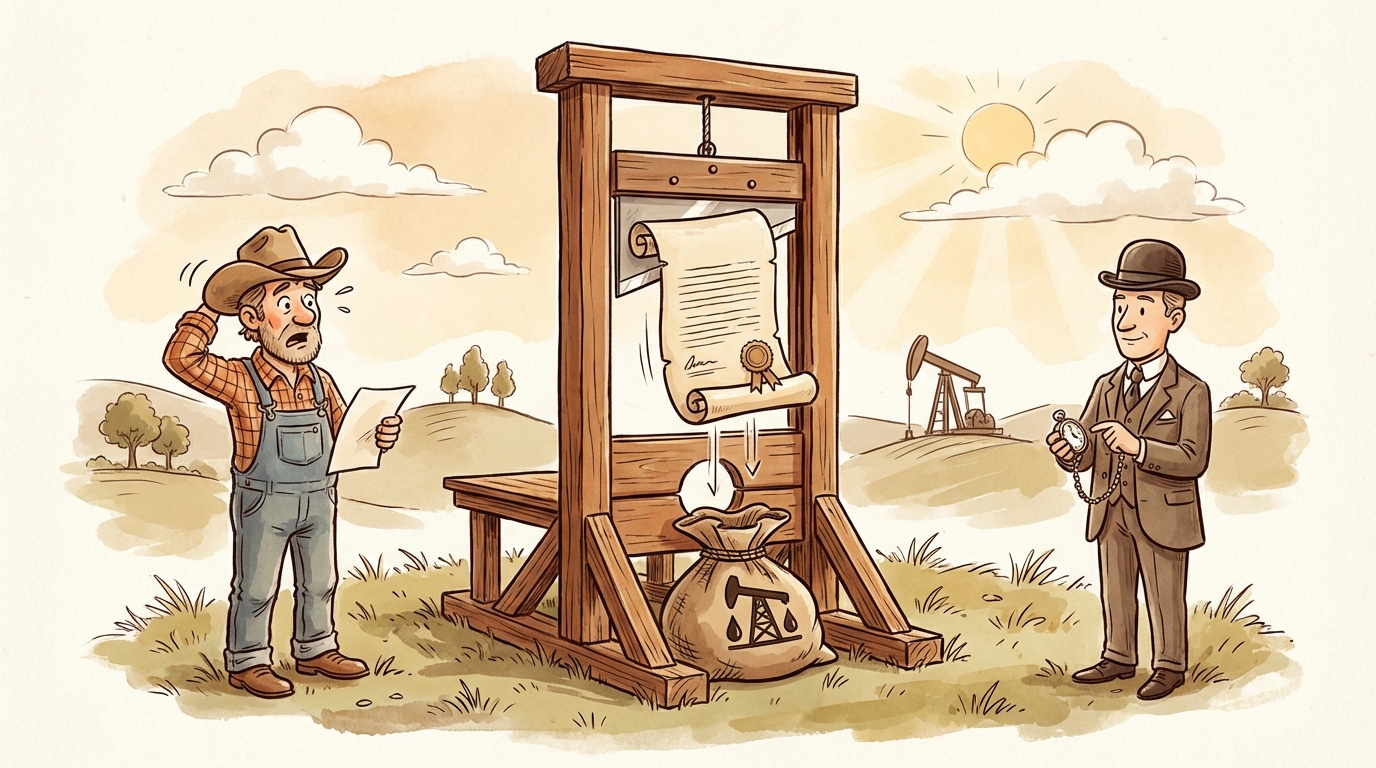
A quirky Texas title rule can automatically erase the minerals you thought your family reserved decades ago. Here is how the math works.
Read Article →
North Dakota law gives mineral owners powerful tools to fight bad check stubs, including criminal penalties, audit rights, and high interest rates.
Read Article →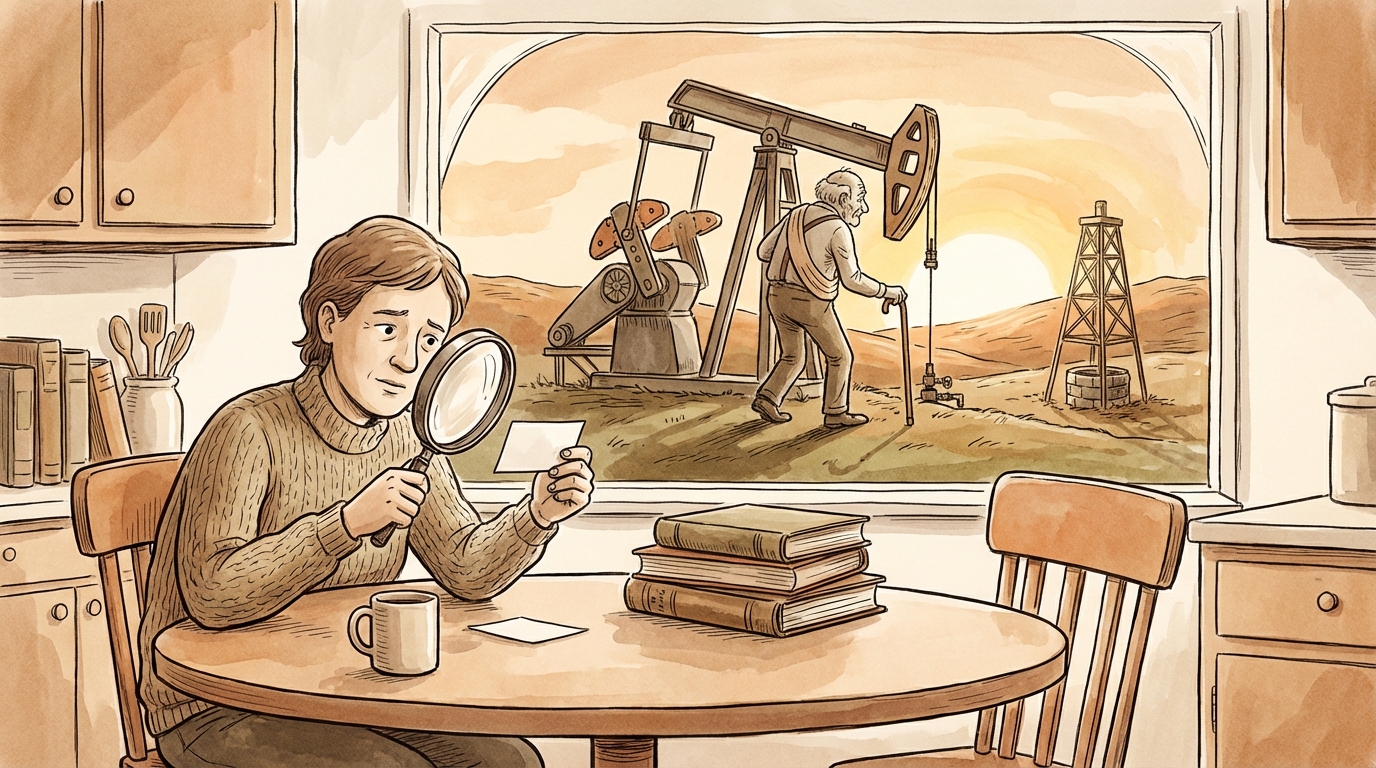
That massive first royalty check won't last forever. Here is what actually happens as oil and gas wells age, decline, and eventually stop producing.
Read Article →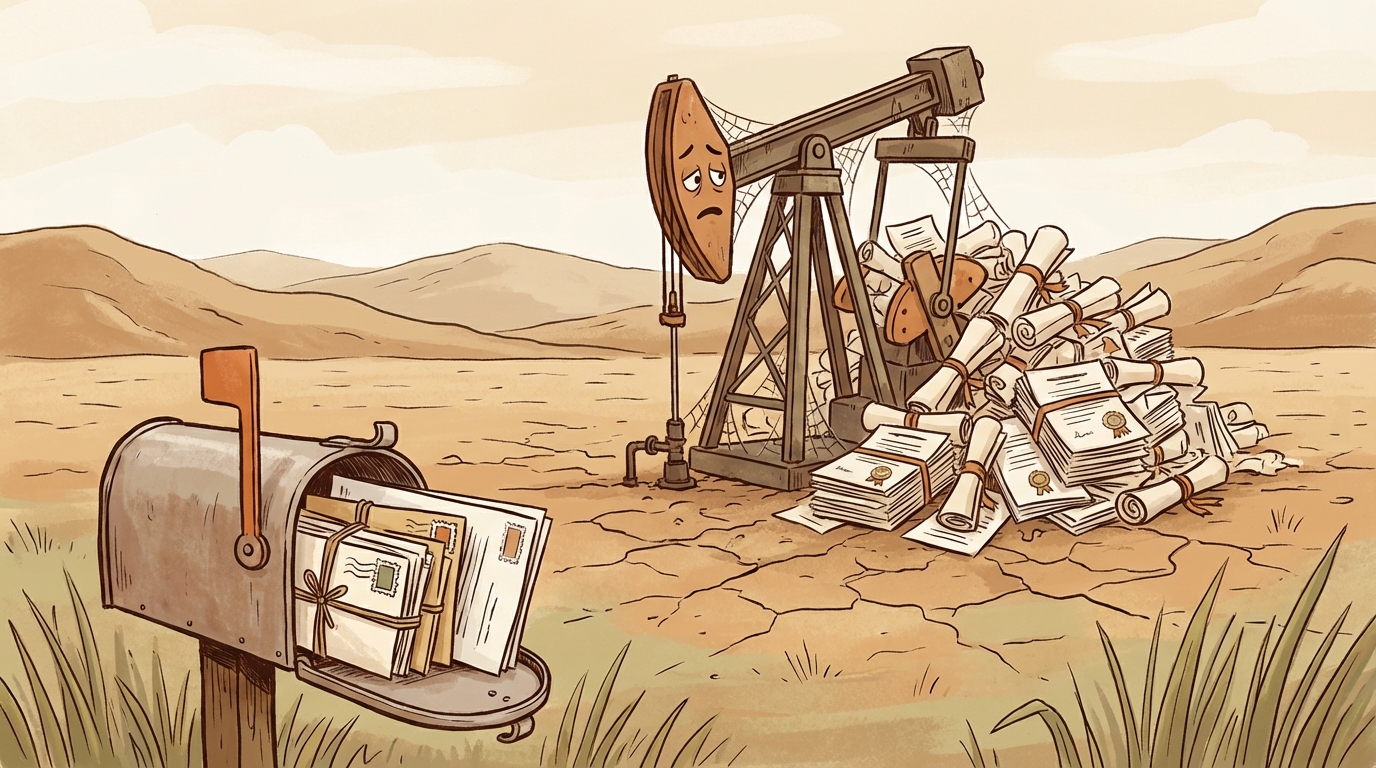
Kern County operators are caught between massive idle well fees and drilling bans. Here is how their financial crisis impacts your mineral rights.
Read Article →