The 20-Year Eraser: How Indiana’s Mineral Lapse Act Takes Your Land
Unused mineral rights in Indiana can automatically revert to the surface owner after 20 years. Learn how the Lapse Act works and how to protect your asset.
Read Article →Expert insights to help mineral owners make informed decisions
Unused mineral rights in Indiana can automatically revert to the surface owner after 20 years. Learn how the Lapse Act works and how to protect your asset.
Read Article →
Michigan's Dormant Minerals Act will wipe out your family's severed oil and gas rights after 20 years of silence. Here is how to stop it.
Read Article →
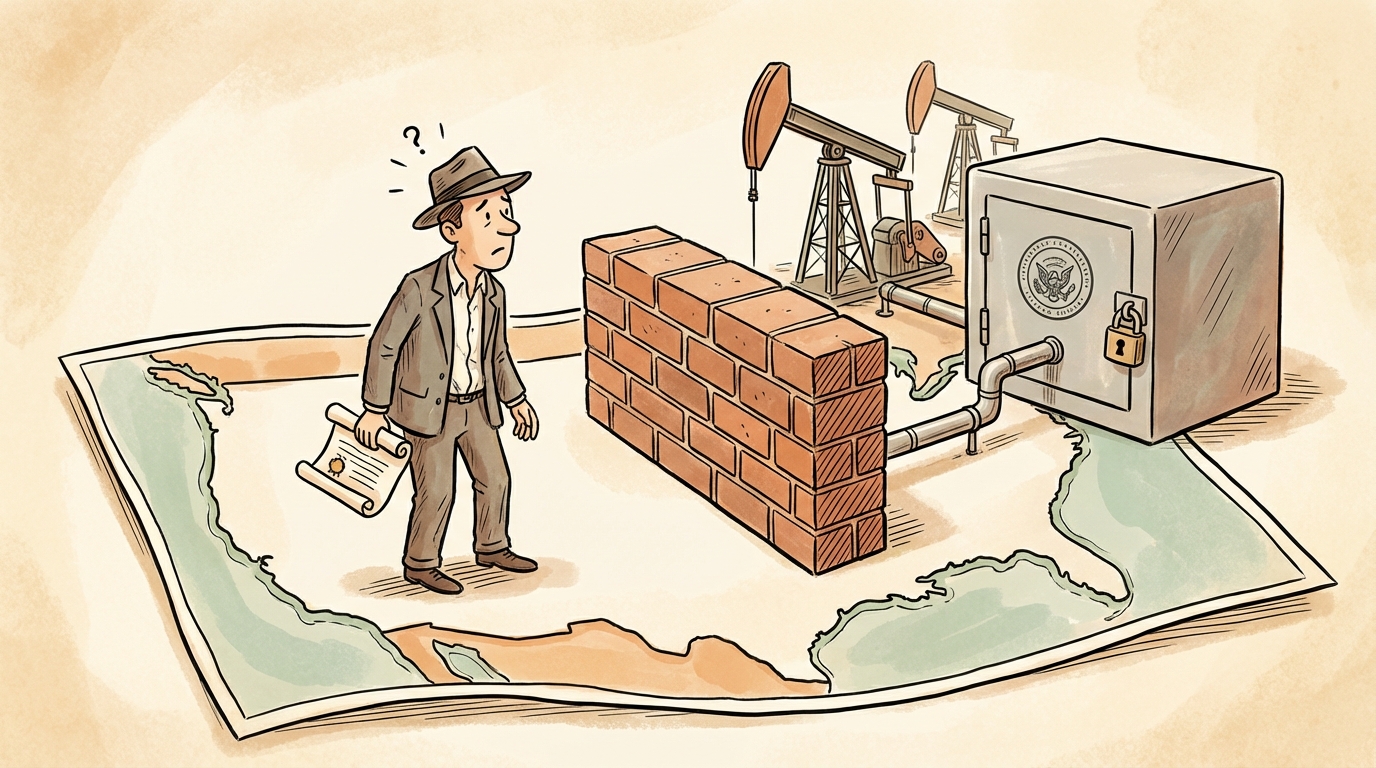
Why you can't sign a new lease when your old well barely produces, and how to break the legal spell holding your family's minerals captive.
Read Article →
In West Virginia, if 75% of your co-owners sign a lease, the operator can drill even if you say no. Here is how the law works and what it means for your leverage.
Read Article →
Ignored a lease offer in Colorado? You might be force-pooled as a nonconsenting owner. Here is how silence costs you money and what to do about it.
Read Article →
In Arkansas, silence is an election. How ignoring an AOGC integration order can lock your minerals into a deal you never signed.
Read Article →
In Illinois, if you don't show up in the county records, the law assumes you don't exist. Here is how trustees and surface owners can legally take control of your asset.
Read Article →
In Wyoming, ignoring a pooling notice isn't a safe harbor. It often means you're electing into a risk penalty that diverts your revenue for years.
Read Article →
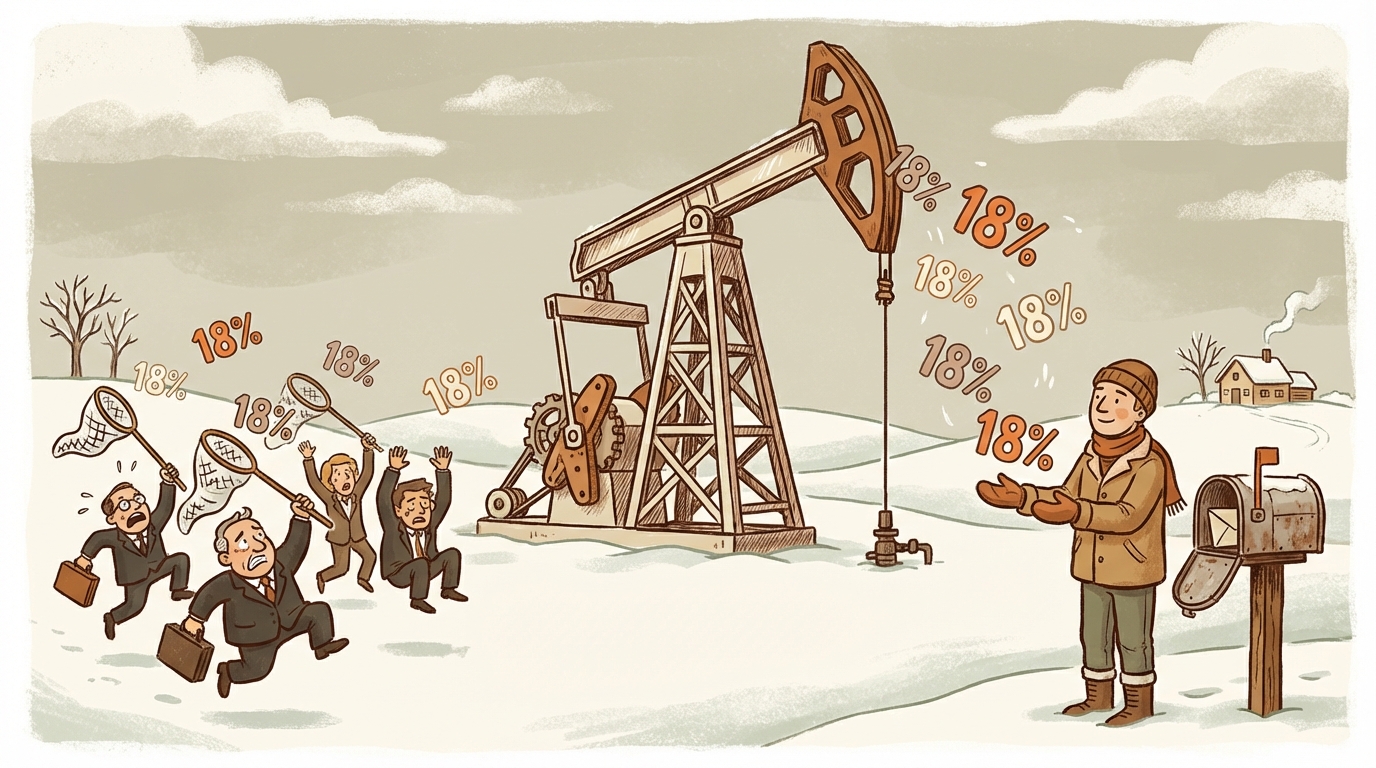
Your royalty check dropped because a well 'disappeared.' It likely didn't. It just got renamed. Here is how to track it using state databases.
Read Article →
Why your New Mexico royalty checks are complicated by the mix of Private, Federal, and State Trust Lands. A guide to the regulatory maze.
Read Article →
When heirs treat minerals like heirlooms but operators need legal certainty, checks stop coming. Here is how to navigate the paperwork wars.
Read Article →
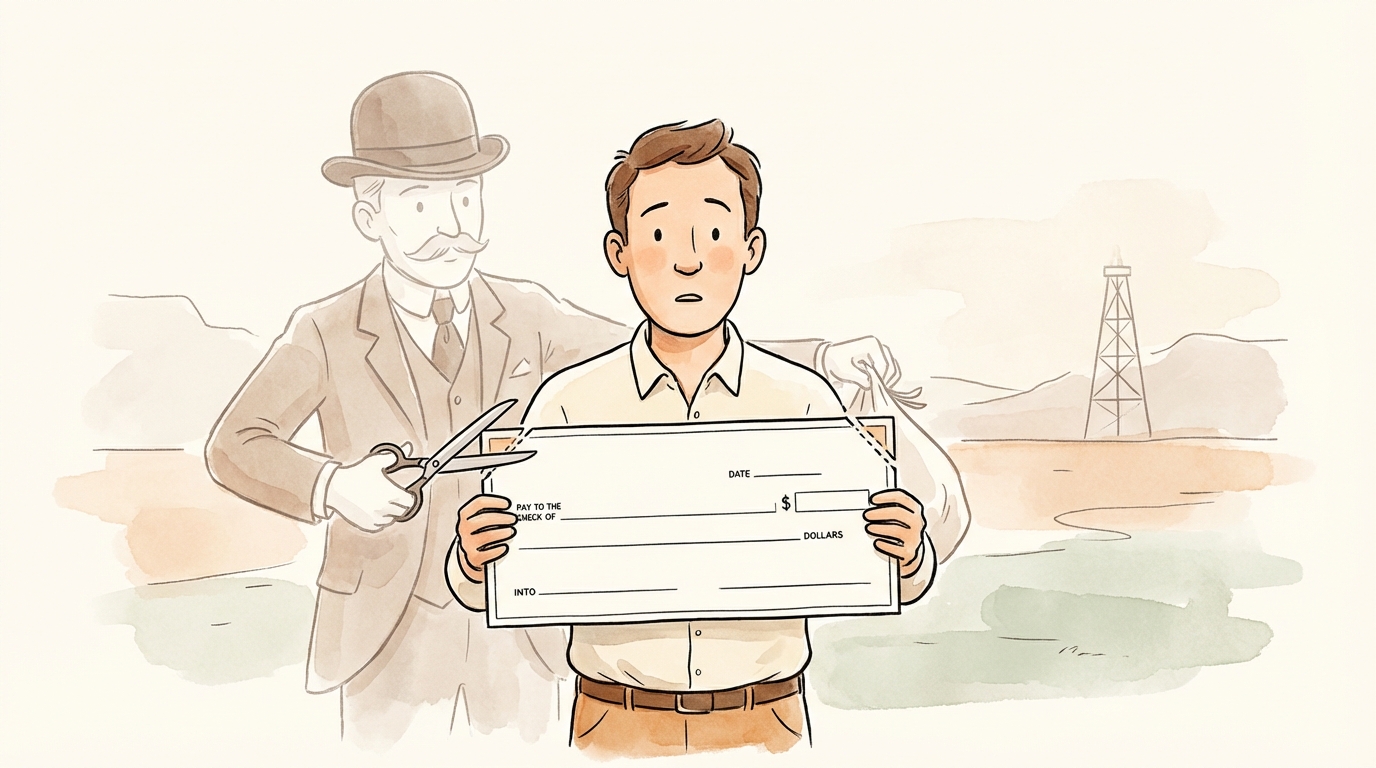
Operators use title opinions to decide if they pay you or suspend you. But when you ask to see the document, they say 'legal privilege.' Here is why.
Read Article →