Ohio’s 65% Unitization Trap: When the State Signs Your Lease For You
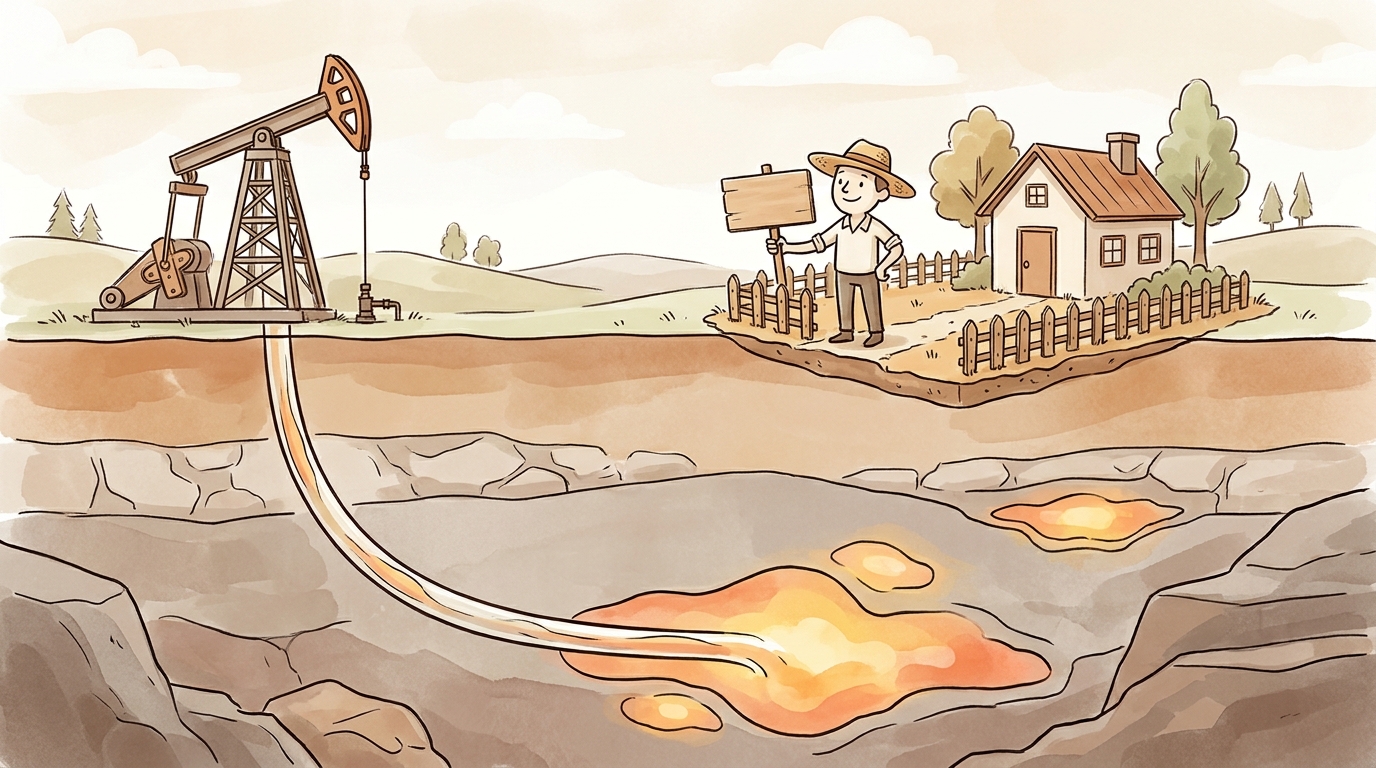
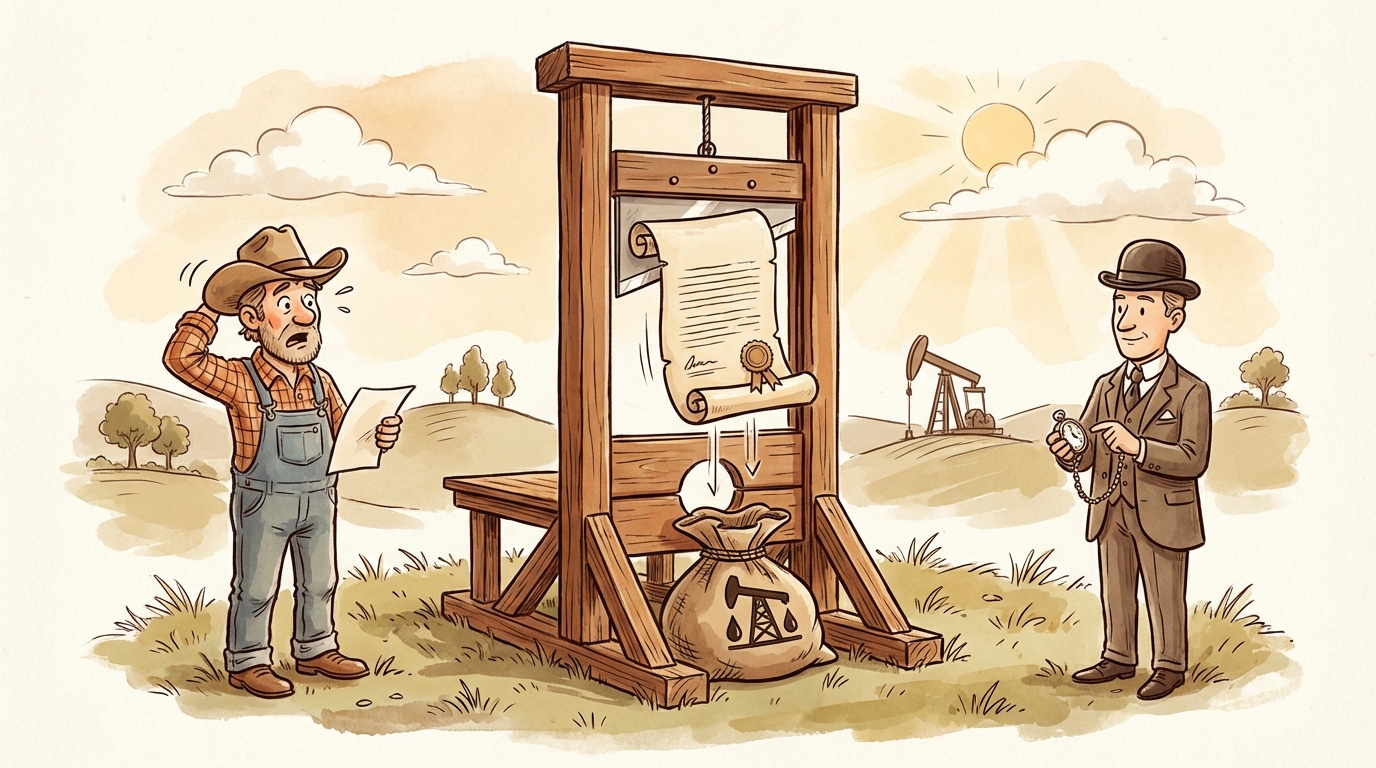
Refusing a bad oil and gas lease in Ohio doesn't protect your minerals. It just gives the state the power to force you into a drilling unit on their terms.
Read Article →21 articles in this topic
Refusing a bad oil and gas lease in Ohio doesn't protect your minerals. It just gives the state the power to force you into a drilling unit on their terms.
Read Article →
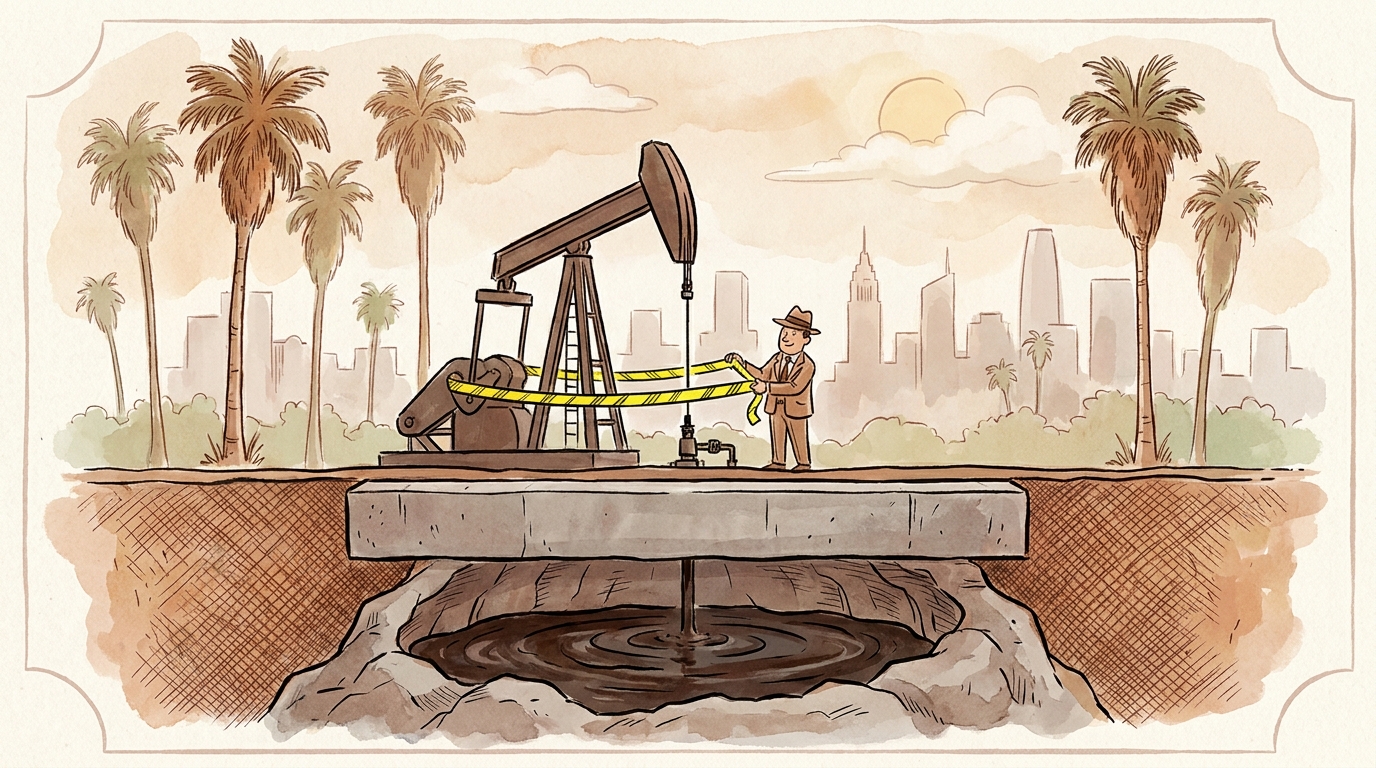
California lawmakers are handing cities the power to ban oil production. If you own royalties under Los Angeles, your asset has a rigid expiration date.
Read Article →
How the PA Supreme Court's Briggs decision made holding out a dangerous game for unleased mineral owners.
Read Article →
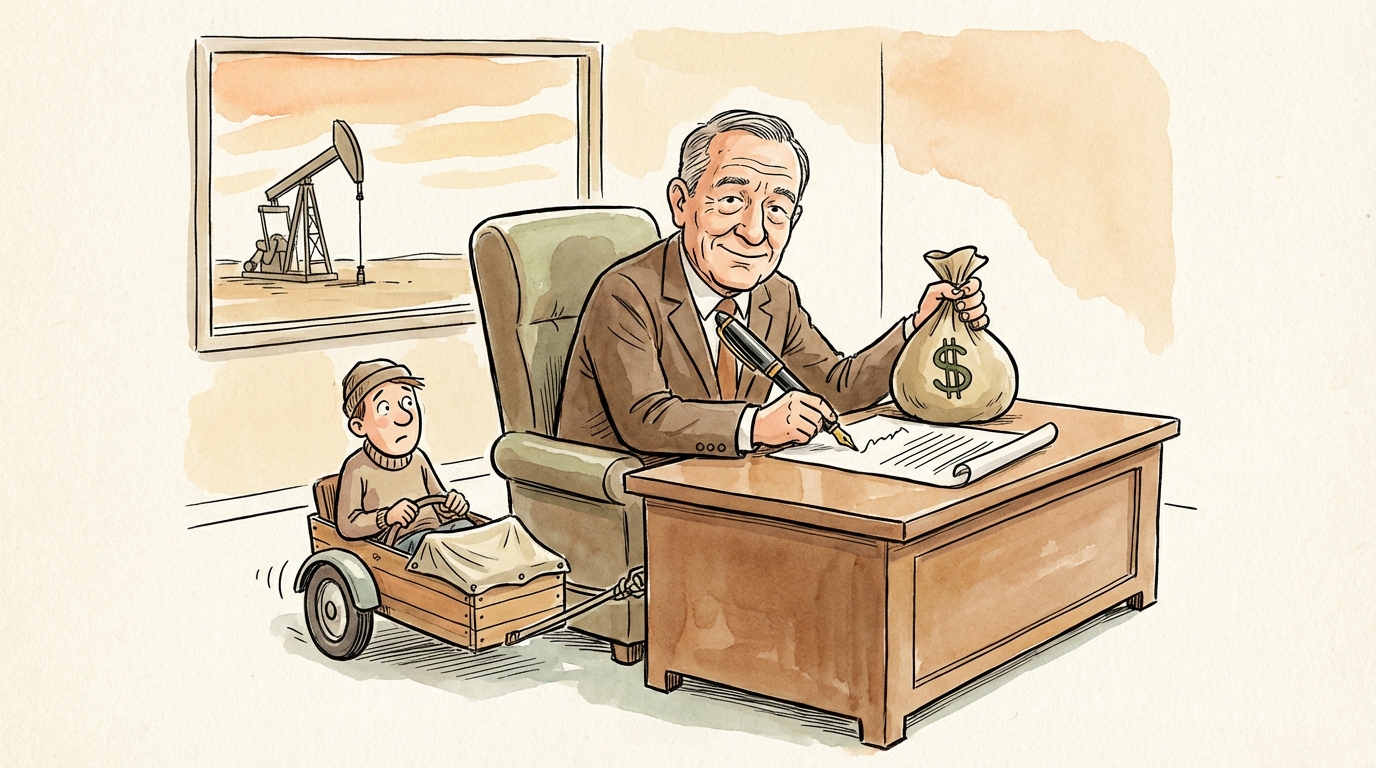
How the executive right holder in Texas can sign the mineral lease, keep the bonus, and drag you along for the ride.
Read Article →
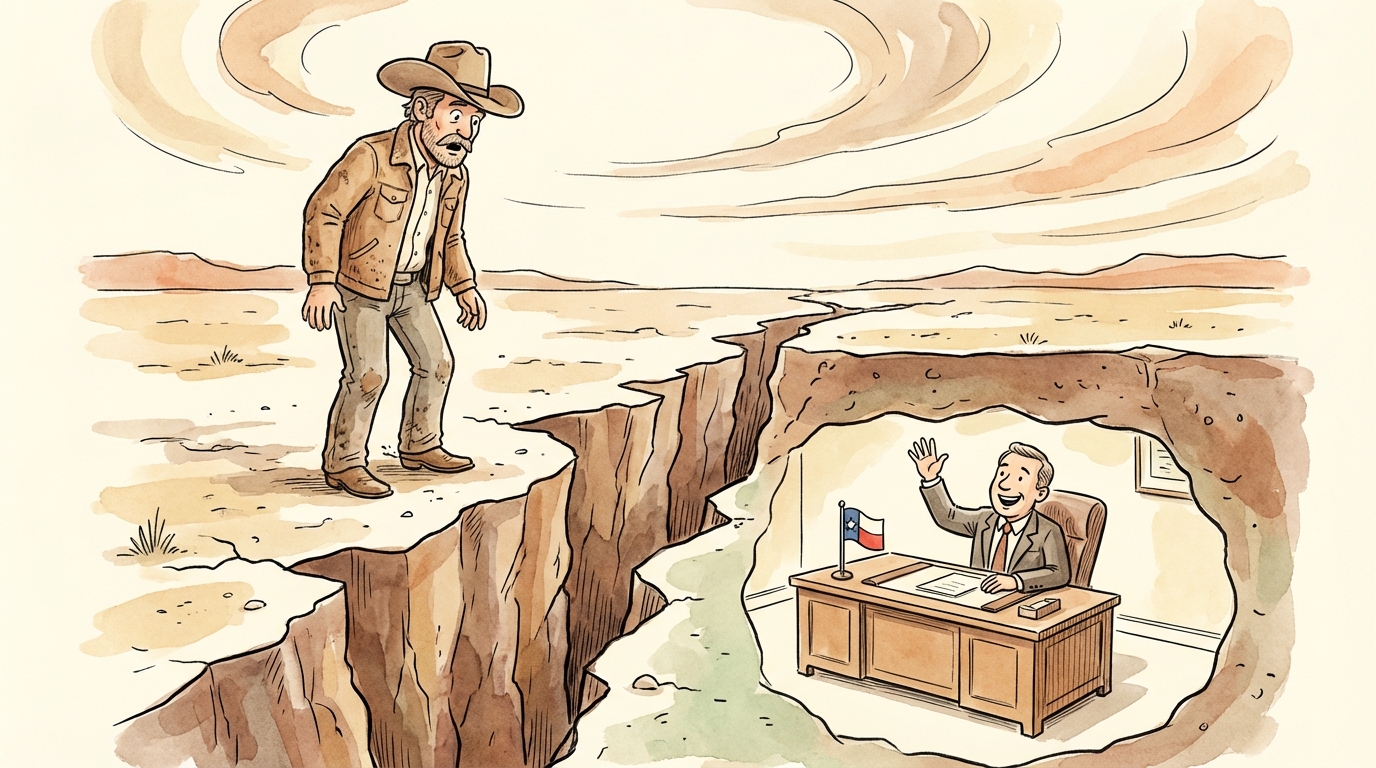
Why your 'private' West Texas minerals might actually belong to the State—and what the Relinquishment Act means for your family's land.
Read Article →
A quirky Texas title rule can automatically erase the minerals you thought your family reserved decades ago. Here is how the math works.
Read Article →
Montana law doesn't just ask operators to pay royalties on time. It sets strict deadlines, imposes heavy interest, and demands line-item check stubs.
Read Article →
When an operator drills across your property line and asks for permission later, your leverage vanishes. Here is the reality of Texas PSA wells.
Read Article →
In Osage County, you don't own minerals. You own a headright. Here is what that means for your paperwork, your payments, and your family.
Read Article →
North Dakota operators owe 18% interest on late royalty payments unless they find a title dispute loophole. Learn how the suspense statute actually works.
Read Article →
How Mississippi's quirky 33% consent rule and brutal 300% nonconsent penalties turn passive mineral ownership into an active administrative nightmare.
Read Article →
Getting an unexpected offer in the mail can be confusing. Here is how you can tell if a buyer is guessing or giving you a real valuation.
Read Article →